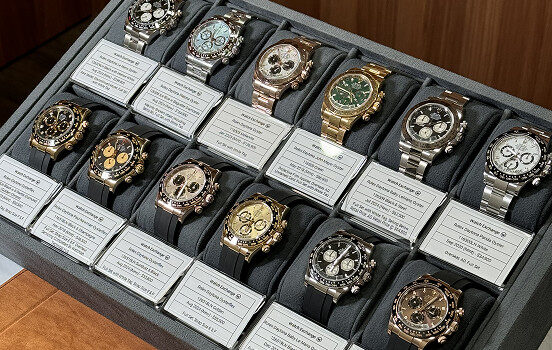










Few watchmakers have captured the essence of timeless elegance quite like Cartier. From royal wrists to red carpets, Cartier watches have long stood as symbols of refined taste, rich heritage, and quiet confidence. But beyond their beauty lies something deeper, a legacy of innovation, reinvention, and lasting value that continues to captivate collectors across generations.
Founded in Paris in 1847, Cartier became one of the first luxury houses to blend avant-garde French design with Swiss watchmaking precision. Models like the Santos and Tank didn’t just tell time — they told stories. Each watch carried a design philosophy rooted in bold geometry, clean lines, and a purposeful simplicity that’s as relevant today as a century ago.
In this guide, we’ll explore the world of vintage Cartier watches, from key historical moments to standout models like the Tank Louis and Santos Galbée. You’ll learn what defines a vintage Cartier, how to spot collectible gems, why they remain in demand, and how to care for your timepiece for decades to come.
A Brief History of Cartier Watches: From Royal Origins to Vintage Icons
Cartier’s watchmaking journey began in 1904, when Louis Cartier created the Santos for aviator Alberto Santos-Dumont—one of the first purpose-built wristwatches. But the brand’s roots go deeper. Founded in 1847, Cartier quickly earned favor among royalty, with King Edward VII famously dubbing it “the jeweler of kings and the king of jewelers.”
By 1917, Cartier introduced the Tank, inspired by the Renault tanks of WWI. Its clean lines, rectangular case, and Roman numerals became signature traits, timeless and instantly recognizable. As Cartier expanded globally, boutiques in Paris, London, and New York initially operated independently, risking brand fragmentation.
That changed in 1972, when investors unified the maison, ushering in a new era. Cartier embraced modern tastes with larger, automatic models like the Tank Jumbo and deepened its technical credibility by partnering with Swiss movement makers like LeCoultre and ETA.
Today, vintage Cartier watches captivate collectors not just for their design, but for their mechanical reliability and storied heritage. With roots in royalty, pioneering wristwatch design, and savvy modernization, Cartier remains a cornerstone of elegant, enduring watchmaking.
What Defines a Vintage Cartier Watch? Key Features & Materials
A vintage Cartier watch is typically defined as any timepiece that’s between 20 to 50 years old. These watches are more than just elegant accessories, they reflect a rich era of Cartier design, when the maison pushed boundaries while staying true to its identity. Collectors value them for their timeless appeal, mechanical integrity, and scarcity.
Signature Cartier Design Elements
Cartier’s vintage collection is instantly recognizable, thanks to consistent visual cues across models:
- Roman numeral hour markers: Clean, refined, and unmistakably Cartier
- Blued steel sword-shaped hands: A delicate pop of color and a nod to tradition
- Blue sapphire cabochon crowns: Found on most models, often set into the winding crown
- Classic shapes: Including rectangular (Tank), square (Santos), barrel (Tonneau), and cushion cases
Materials That Define Cartier’s Luxury
Vintage Cartier watches were crafted with enduring materials meant to age beautifully:
- 18k yellow gold, white gold, and platinum for high-end cases
- Stainless steel variants, especially in Santos models, offering versatility
- Guilloché-patterned dials and occasional “Cartier Paris” print signatures
- Hidden Cartier signature embedded within the VII or X numeral on select dials
Mechanical Movements & Swiss Partnerships
While Cartier is known for design, its mechanical credibility is equally notable—especially in vintage models:
- Many featured manual-wind calibers or automatic movements
- Movements were often sourced from prestigious Swiss manufacturers like:
- LeCoultre (for high-end manual calibers)
- ETA (known for robust and serviceable automatics)
These strategic partnerships helped Cartier deliver watches that weren’t just beautiful—they were also technically sound, which adds serious weight in today’s vintage market.
The Best Vintage Cartier Watches to Collect in 2026
Whether you’re a seasoned collector or looking to acquire your first vintage Cartier, certain models stand out for their design legacy, investment potential, and collector demand. Below, we spotlight the most sought-after vintage Cartier watches in 2026—with details on why they matter and what to look for.
Cartier Tank ‘Jumbo’ Automatique

Introduced in the 1970s, the Tank Jumbo Automatique signaled a thoughtful evolution in Cartier’s design language. While preserving the iconic rectangular form of the Tank, this model embraced larger dimensions to suit the bolder tastes of the era—offering a modern twist on a timeless classic.
What Makes It Stand Out:
- Case size: Measuring approximately 28mm x 34mm, the Jumbo wears noticeably larger than its vintage predecessors. It offers an ideal balance for those who love the Tank aesthetic but prefer a more contemporary fit on the wrist.
- Movement: Powered by a self-winding automatic movement. The Tank Jumbo introduced practicality to the Tank line without sacrificing sophistication.
- Design: Though clearly inspired by the Tank Louis, the Jumbo stands apart with its subtle shift in scale and proportions. It captures the sleek minimalism of the ’70s while staying rooted in Cartier tradition.
- Value: With rising demand for vintage Cartier, especially larger models, the Tank Jumbo has become increasingly sought-after. Examples with original boxes and papers continue to command premium prices.
The Tank Jumbo strikes a rare balance, pairing Cartier’s signature elegance with the casual confidence of 1970s design.
Santos de Cartier Galbée

The Cartier Santos Galbée, introduced in 1987, was a significant evolution of the original Santos design. This model featured a more curved case and integrated bracelet, enhancing comfort and wearability. The Galbée was primarily powered by quartz movements, aligning with the trends of the time .
What Makes It Stand Out:
- Case & bezel: A brushed stainless steel case paired with a polished yellow gold bezel creates a bold yet balanced two-tone aesthetic. It’s a refined statement that wears effortlessly.
- Bracelet: The bi-metal bracelet, with its exposed screws and fluid links, is iconic in both look and feel—comfortable on the wrist and visually distinct.
- Versatility: The Galbée moves seamlessly from formalwear to off-duty style, making it a go-to for those who appreciate understated luxury.
- Collector status: With two-tone watches enjoying a resurgence, the Galbée has gained traction among collectors seeking pieces that feel both retro and relevant.
This is classic Cartier—timeless design with just enough flair to feel fresh, no matter the decade.
Cartier Tank Louis & Tank Américaine

Two icons, one philosophy. The Tank Louis Cartier, first introduced in 1973, captures the maison’s Art Deco spirit with its clean lines, compact profile, and unmistakable refinement. Decades later, in 1989, Cartier unveiled the Tank Américaine, a modern reinterpretation that retains the Tank’s DNA while amplifying its silhouette and presence.
Key Comparisons:
Tank Louis:
- Traditionally crafted in 18k yellow gold, though platinum and rose gold versions exist
- Smaller, dressier proportions ideal for formal wear
- Manual-wind movements dominate vintage editions, often from Cartier’s golden era
Tank Américaine:
- Elongated, curved case that hugs the wrist and enhances presence
- More commonly fitted with automatic movements, offering ease of wear
- Available in a range of materials: steel, gold, and bi-metal options
Why They Endure:
Both models embody Cartier’s design purity—elegant, timeless, and instantly recognizable. The Tank Louis is often considered a collector’s first serious Cartier, admired for its refined proportions and rich heritage. Meanwhile, the Tank Américaine offers a bolder interpretation, ideal for those drawn to classic lines with a more contemporary and assertive presence on the wrist.
Together, they show how Cartier continues to evolve without ever losing its core identity.
Vintage Cartier Panthère

The Cartier Panthère made its debut in the 1980s and quickly became an icon of luxury and elegance. With its jewelry-inspired design and supple bracelet, it’s often considered more than just a timepiece—it’s a statement accessory. Though technically a watch, the Panthère behaves like fine jewelry, which explains its enduring appeal among collectors and fashion-forward enthusiasts alike.
What Makes It Stand Out:
- Design: Slim profile, square case, and exposed screws on the bezel echo the Santos, but with softer lines and a more refined bracelet.
- Bracelet: The fluid, multi-link bracelet is a defining feature—comfortable, elegant, and effortlessly chic.
- Materials: Available in yellow gold, steel, and two-tone combinations, with some gem-set editions.
- Versatility: It transitions seamlessly from day to evening, ideal for those who want style with substance.
Effortlessly refined and instantly recognizable, the Panthère is where Cartier’s watchmaking meets its jewelry heritage. For those who value form as much as function, this model delivers timeless sophistication in a wearable, everyday icon.
Vintage Cartier Pasha

Bold and unconventional, the Pasha broke from Cartier’s tradition of rectangular cases. Originally developed in the 1940s and reintroduced in the 1980s, it blends sporty features with unmistakable Cartier elegance. Its distinctive round case, screw-down crown cap, and protective grille evoke vintage tool watches—but with refined Parisian flair.
What Makes It Stand Out:
- Case Design: Large, round case with a signature crown cap attached by a small chain—visually striking and functionally robust.
- Heritage: Inspired by a 1940s waterproof model, rumored to have been commissioned by the Pasha of Marrakesh.
- Dial Grille: Some models feature a removable protective grille, adding to the vintage mystique.
- Unisex Appeal: While originally designed as a men’s watch, its bold design has made it a favorite among women seeking something substantial and stylish.
The Pasha is for those unafraid to stand out. With its bold silhouette and rich backstory, it captures a different side of Cartier—one that’s adventurous, unconventional, and undeniably stylish.
Must de Cartier Collection

Launched in the 1970s, the Must de Cartier line marked a pivotal moment for the brand—bringing Cartier’s elegance to a wider audience without compromising on design. With their bold colors, classic silhouettes, and approachable price points, these watches now serve as an inviting entry point for vintage newcomers and seasoned collectors alike.
What Makes It Stand Out:
- Gold vermeil cases: Crafted from sterling silver and coated in gold, offering the look of solid gold at a fraction of the cost
- Enamel dials: A signature feature, available in striking shades like burgundy, navy, black, and ivory—each adding a pop of personality
- Manual movements: Most models are powered by reliable hand-wound calibers.
Why They’re Gaining Ground:
- Accessible pricing: One of the most affordable ways to own a vintage Cartier
- Younger collector appeal: Stylish, unpretentious, and wearable—perfect for modern tastes
- Still under the radar: While prices are rising, many Must de Cartier models remain undervalued gems in the vintage market
For those looking to start their Cartier journey—or add a colorful twist to a growing collection—the Must line offers substance, style, and untapped potential.
What Makes Vintage Cartier So Collectible Today?
As the watch world moves beyond the era of oversized tool watches, collectors are gravitating toward pieces that offer refinement and versatility. Vintage Cartier fits the moment perfectly—slim profiles, elegant geometry, and an inherently dressy aesthetic make these watches more relevant than ever. This shift isn’t fleeting; it’s a quiet return to timeless style.
Rarity That Feels Personal
One of the most compelling aspects of vintage Cartier is its scarcity—and the nuances that come with it. Many models from the 1970s and earlier were produced in limited quantities, sometimes exclusive to certain regions or boutiques. The result is a collecting landscape filled with subtle variations:
- Unique dial signatures (like “Cartier Paris”)
- Uncommon case materials
- Hidden logos and discreet design flourishes
- Special-order or boutique-only references
These small differences add intrigue and depth, making each find feel personal and distinct.
A Market on the Rise
Interest in vintage Cartier has steadily increased over the last five years, especially across auction houses and trusted resale platforms. Collectors are paying attention to:
- Tank Louis
- Santos Galbée
- Must de Cartier references
Even entry-level models are gaining traction, reflecting a broader appreciation for Cartier’s enduring design language.
What makes vintage Cartier special isn’t just the beauty—it’s the story. Each model serves as a cultural timestamp, reflecting decades of design evolution and artistic influence. In a market now favoring craftsmanship over flash, Cartier continues to offer rarity, elegance, and historical value—all in one timeless package.
How to Authenticate and Buy a Vintage Cartier Watch Safely
As interest in vintage Cartier continues to grow, so does the presence of counterfeits and misrepresented pieces—particularly models like the Tank Louis, Santos, and Must de Cartier, which are frequently targeted by replicators. In a market where details define value, authentication isn’t optional—it’s essential. Whether you’re shopping through auctions or private dealers, a careful approach ensures your investment is both beautiful and secure.
Why Buy from a Reputable Dealer?
Reputable vintage watch dealers don’t just sell timepieces—they curate trust. When you buy from an established expert, you’re also gaining access to:
- Complete service histories
- Verified documentation and provenance
- Return policies and post-sale support
- In-house watchmakers to verify authenticity and condition
Established sellers are also more likely to offer pieces with the original box and papers, which add not only historical value but also future resale confidence.
Authentication Checklist for Vintage Cartier
Before committing to a purchase, run through this essential list:
- Serial Number: Should be engraved cleanly on the caseback or between the lugs. If it’s missing or faint, proceed with caution.
- Dial Signature: Look for a sharply printed “Cartier” logo, often discreetly placed inside the VII or X numeral on authentic pieces.
- Movement Verification: The caliber should match the model and era—expect manual or automatic movements from reputable makers like LeCoultre or ETA.
- Caseback & Clasp Engravings: Crisp, clean, and evenly spaced engravings are a must. Cartier’s detailing is refined—never sloppy or stamped.
Watch Out for These Red Flags:
- Misspelled or uneven engravings on the dial
- Mismatched components (e.g., modern clasp on a vintage case)
- Pricing that seems dramatically below market value
- Lack of seller transparency or a return policy
Buying vintage doesn’t have to be daunting. Whether you’re browsing, building your account, or waiting to checkout, the right knowledge—and the right source—can lead you to a piece that’s not only authentic, but enduringly collectible.
Conclusion
Vintage Cartier watches are more than beautiful objects—they’re expressions of heritage, craftsmanship, and enduring style. From the architectural precision of the Tank to the graceful fluidity of the Panthère, each piece carries a story shaped by design and time. With thoughtful research and careful selection, collecting vintage Cartier isn’t just a passion—it’s an investment in timeless elegance.
Key Takeaways:
- Vintage Cartier watches combine timeless aesthetics, like Roman numerals and elegant case shapes, with deep historical roots, making them iconic and instantly recognizable.
- Limited production, mechanical reliability, and increasing demand have positioned models like the Tank Louis and Santos Galbée as smart, appreciating assets.
- Verifying serial numbers, movement origin, and dial details is essential to avoid counterfeits, especially with popular models now attracting a surge of new collectors.
Looking to buy or sell your luxury watches? Watch Exchange is your one-stop destination for trading Rolex, Patek Philippe, Tissot, Sinn, Zenith, and other luxury timepieces. Find your next watch today!